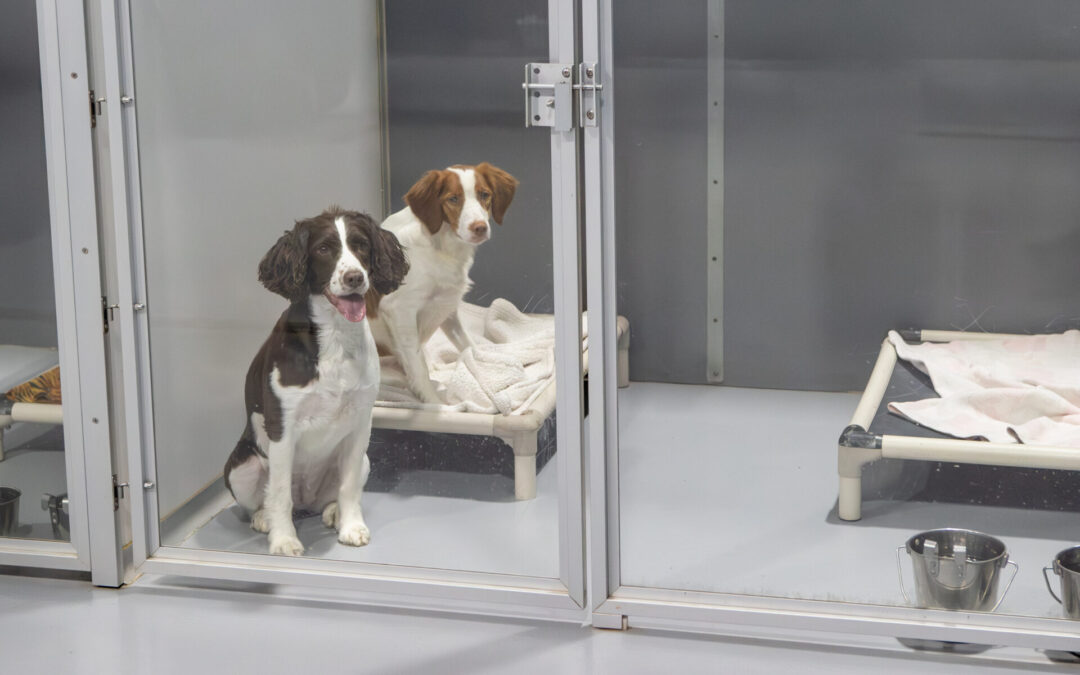
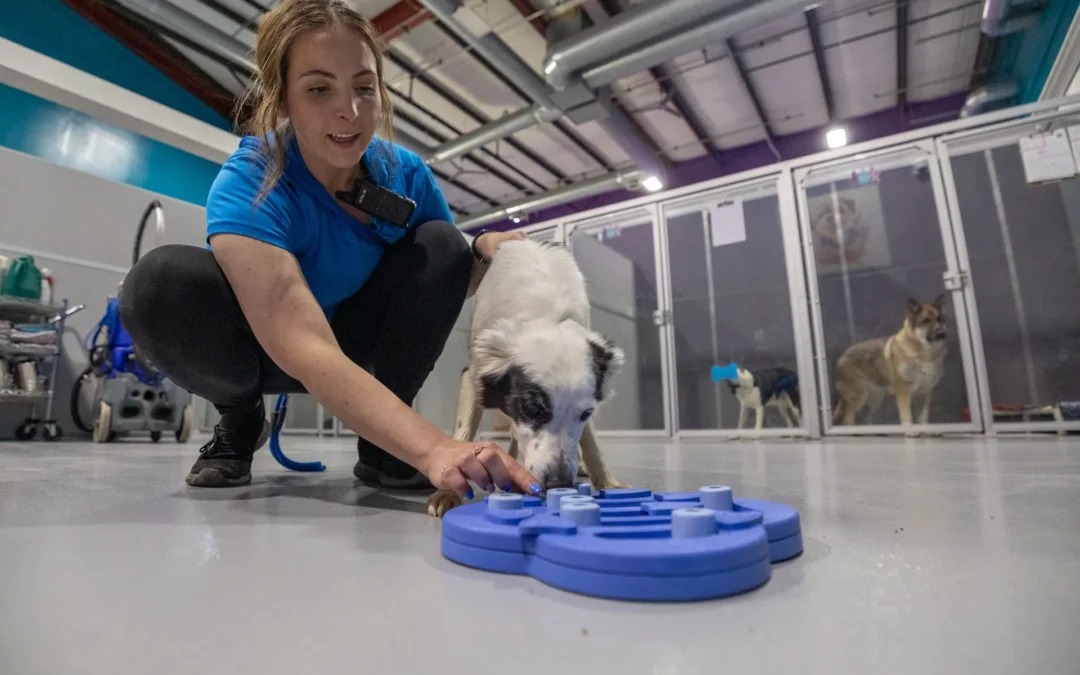
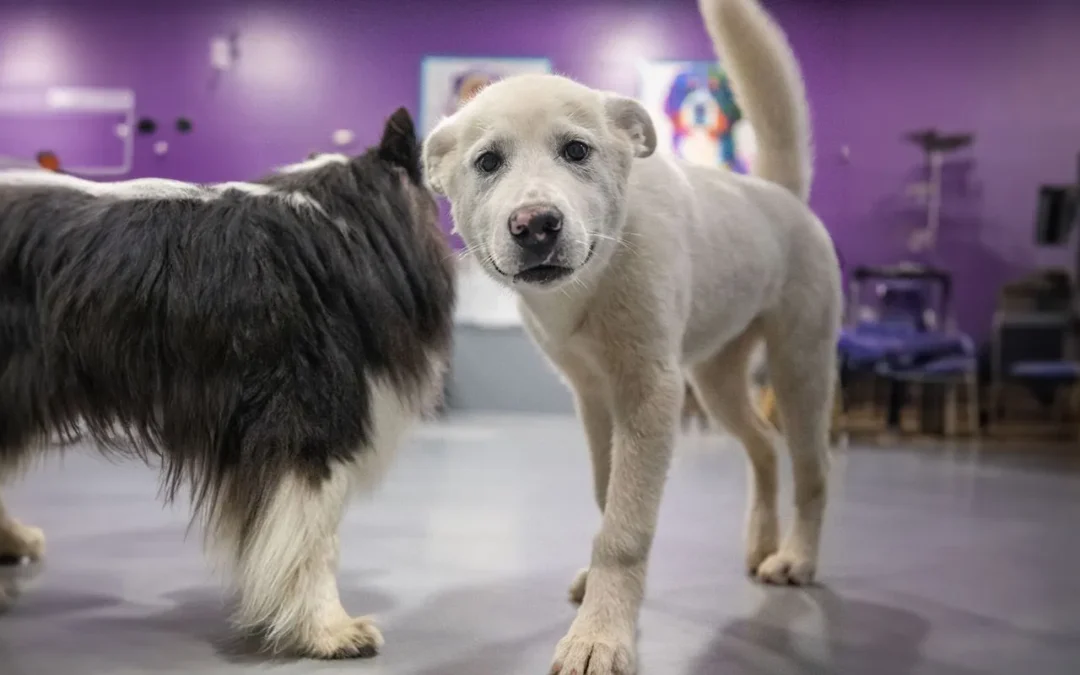
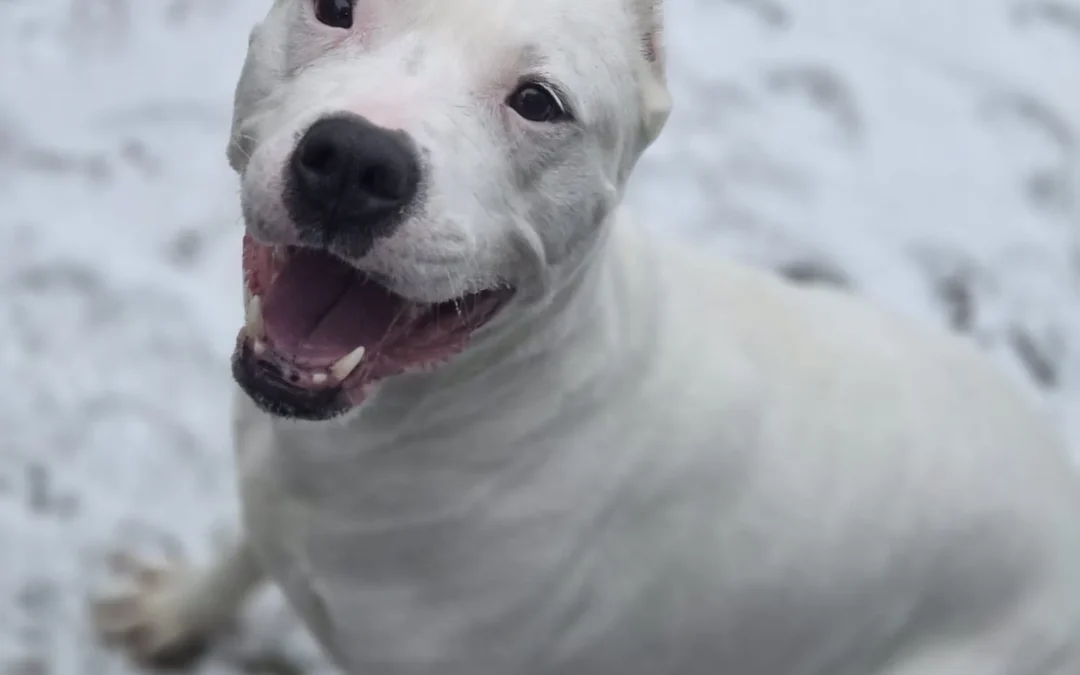
As temperatures rise, so does the risk of heat-related illnesses in our four-legged family members. Dogs are particularly vulnerable to heat because they don’t sweat the way humans do. Instead, they rely on panting to cool themselves — a method that quickly becomes inefficient in extreme heat or humidity. At Canine Country Club, safety and wellness are our top priorities. Here’s how you can help keep your pup cool, comfortable, and safe during the dog days of summer.
1. Hydration is Key
Just like humans, dogs need plenty of water to stay cool and prevent dehydration. Ensure that your dog has constant access to fresh, clean water, especially when outdoors. For walks or trips, bring a portable water bottle and a collapsible bowl.
2. Avoid Midday Heat
The sun is strongest between 10 a.m. and 4 p.m., making it the most dangerous time for heatstroke. Opt for early morning or late evening walks when it’s cooler. Always check the pavement with your hand — if it’s too hot for you, it’s too hot for your dog’s paws.
3. Never Leave Your Dog in a Parked Car
Even with the windows cracked, a car can heat up to deadly temperatures in minutes. A parked car can reach over 100°F in under 10 minutes, even on a 70°F day. Leaving your dog in a hot car can cause fatal heatstroke — and in many places, it’s illegal.
4. Provide Shade and Ventilation
If your dog is outside for any period of time, make sure there’s access to shade. Trees, covered patios, or specially designed dog tents are great options. Indoors, keep your home well-ventilated and consider fans or cooling mats for added comfort.
5. Know the Signs of Heatstroke
Quick action can save lives. Watch for these warning signs:
- Excessive panting or drooling
- Bright red gums
- Lethargy or weakness
- Vomiting or diarrhea
- Collapse or unresponsiveness
If you suspect heatstroke, move your dog to a cool area, offer small sips of water, and contact your vet immediately.
6. Use Cooling Products
Cooling vests, bandanas, and elevated cots are great additions to your summer pet care arsenal. You can also place wet towels on the ground for your dog to lie on, or use a small kiddie pool for supervised splashing.
7. Watch for High-Risk Dogs
Some breeds and individuals are more sensitive to heat, including:
- Brachycephalic breeds (like Bulldogs, Pugs, and Boxers)
- Senior dogs
- Puppies
- Dogs with heart or respiratory issues
Keep a closer eye on these pups during hot weather and limit their activity accordingly.
Final Thoughts
Summer should be a time of fun and adventure — not a trip to the emergency vet. With a little preparation and mindfulness, you can keep your dog safe and thriving, no matter how high the temperatures soar.
Stay cool and give your pup a belly rub from all of us at Canine Country Club!