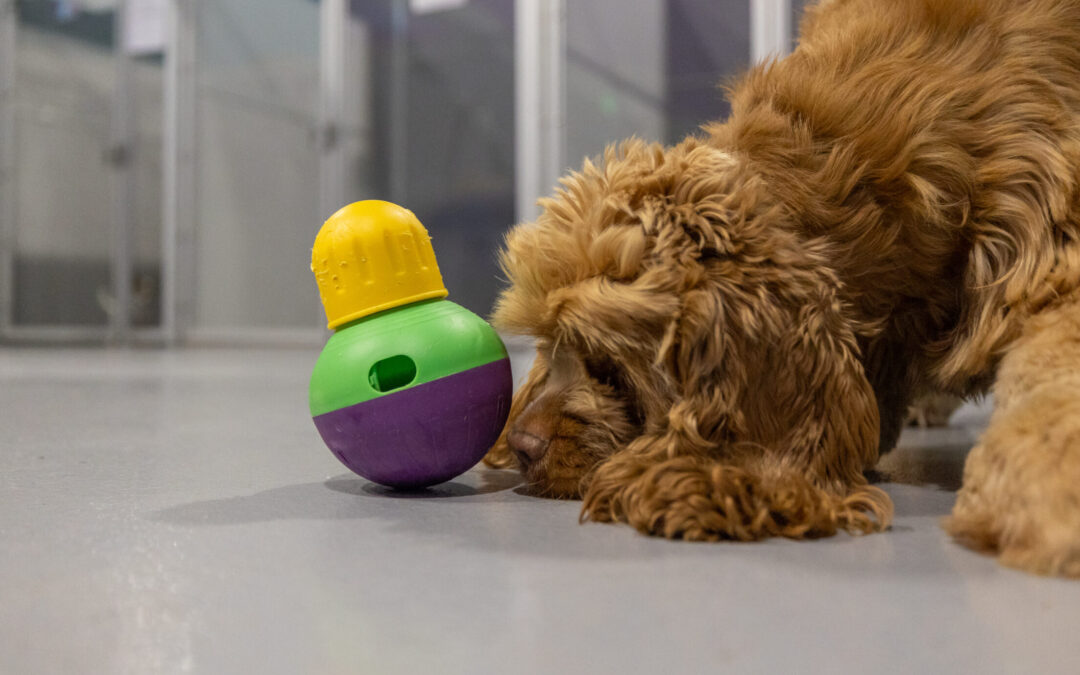
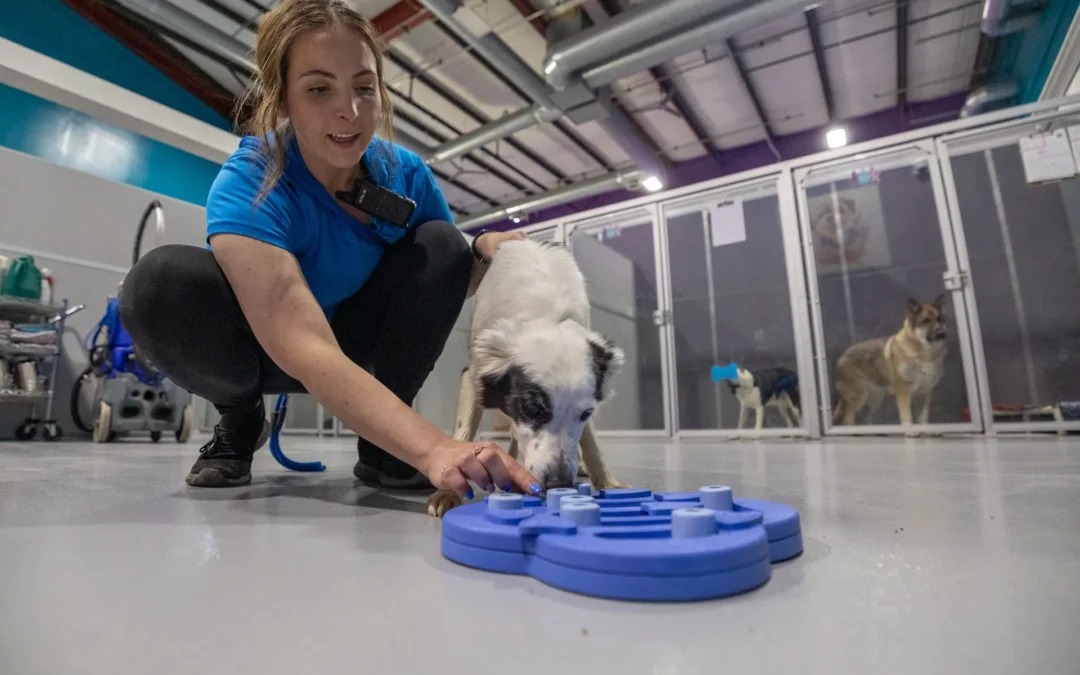
At first glance, dog daycare looks like nonstop fun—dogs running, playing, socializing, and burning off energy all day long. While play is an essential part of a dog’s physical and mental well-being, rest is just as critical. In a professional dog daycare environment, structured rest time isn’t a break from good care—it’s a cornerstone of it.
Dogs Need More Sleep Than We Think
Most adult dogs need 12–14 hours of sleep per day, and puppies or senior dogs often need even more. In a stimulating daycare environment filled with new smells, sounds, and social interactions, dogs can easily become overtired without realizing it themselves.
Unlike humans, dogs don’t always self-regulate well in exciting group settings. Many will push past their limits, continuing to play even when their bodies and brains are telling them they need a break. That’s where structured rest comes in.
Preventing Overstimulation and Stress
Too much stimulation without adequate downtime can lead to:
- Heightened stress levels
- Poor impulse control
- Increased reactivity
- Difficulty settling
- Higher risk of scuffles or misunderstandings
Structured rest periods allow dogs’ nervous systems to reset. When dogs have scheduled opportunities to decompress, they return to play calmer, more focused, and better able to engage appropriately with other dogs and staff.
Supporting Positive Social Behavior
Fatigue and stress often show up in subtle ways before they become obvious problems—stiff body language, excessive vocalization, ignoring social cues, or short tempers. Rest helps prevent these issues before they escalate.
Well-rested dogs:
- Read other dogs’ signals more accurately
- Respond better to redirection
- Show improved frustration tolerance
- Engage in healthier, more balanced play
In a group care setting, this benefits everyone—dogs, staff, and the overall atmosphere of the daycare.
Mental Enrichment Through Balance
Contrary to popular belief, constant activity doesn’t always equal better enrichment. True enrichment comes from a balance of activity and rest. Structured downtime teaches dogs valuable life skills, including:
- Self-regulation
- Calm behavior in shared spaces
- Comfort with quiet time away from constant interaction
These skills carry over into home life, making daycare dogs more relaxed and adaptable outside the facility as well.
Why Structure Matters
Unstructured “downtime” often isn’t enough in a busy daycare. Dogs may remain alert, pacing or watching others play, never fully relaxing. Structured rest—with designated quiet spaces, consistent schedules, and staff guidance—ensures dogs actually rest instead of just pausing.
A professional daycare environment recognizes that rest isn’t optional or reactive; it’s planned, intentional, and tailored to each dog’s needs based on age, energy level, and temperament.
A Sign of High-Quality Care
Facilities that prioritize structured rest demonstrate a deep understanding of canine behavior and welfare. It shows that care decisions are based on what dogs need, not just what looks fun to humans.
When dogs go home pleasantly tired—not exhausted or overstimulated—it’s a sign that their day was balanced, safe, and thoughtfully managed.
The Bottom Line
Play is important. Socialization is important. Rest is essential. In a professional dog daycare environment, structured rest time supports emotional well-being, physical health, and positive social experiences. It allows dogs to enjoy daycare to the fullest—happier, calmer, and healthier.
Because sometimes, the best thing we can give our dogs isn’t more activity—it’s permission to rest.